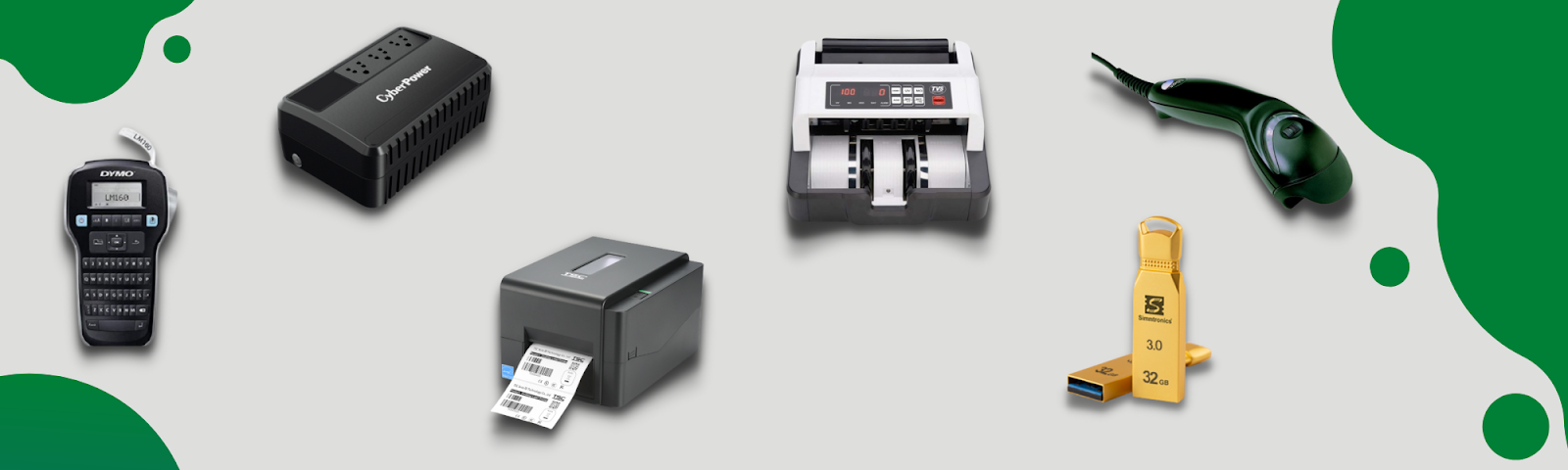
POS Central India is a leading name in the field of point of sale hardware components sales in India of all the top brands. Find here the blogs related to all the POS hardware solutions provided by POS Central India.

POS Central India Official Blog

POS Central India is a leading name in the field of point of sale hardware components sales in India of all the top brands. Find here the blogs related to all the POS hardware solutions provided by POS Central India.

Thursday, 25 September 2025

Industrial Label Printer – Durable, High-Speed & Reliable Printing


Introduction

In today’s fast-moving industries, accuracy and speed matter more than ever. Whether you’re managing a large warehouse, a busy manufacturing unit, or a growing retail setup, labels are a part of everyday operations. From product tags and shipping details to compliance labels and barcodes, businesses rely on clear and durable labels to keep processes running smoothly. That’s where an Industrial Label Printer makes the difference.

Unlike standard desktop printers, these machines are built to handle large volumes, offer faster print speeds, and deliver consistent results even in tough environments. They are not just tools but essential partners in ensuring efficiency and reliability.


Why an Industrial Label Printer Matters

A regular printer may get the job done for occasional labelling, but it struggles in demanding environments. An Industrial Label Printers designed to solve this gap. Its durability ensures it performs reliably in warehouses, production lines, or logistics hubs where conditions can be harsh.

Some of the biggest benefits include:

  • Durability: With rugged construction, these printers withstand dust, heat, and heavy use.
  • High Speed: They produce labels in seconds, helping businesses save time during peak hours.
  • Accuracy: Sharp, clear prints minimize errors in barcoding and compliance labeling.
  • Cost Efficiency: By reducing waste and avoiding reprints, they cut down long-term costs.
  • Productivity Boost: Reliable labeling means smoother operations and better inventory tracking.

In short, an Industrial Label Printer is more than just hardware—it’s a productivity booster.

Industrial Label Printers


Practical Applications Across Industries

Industrial label printers are used in almost every sector that requires organization and compliance. Let’s look at some common applications:

  • Manufacturing: For printing batch numbers, safety instructions, and quality control tags.
  • Logistics & Warehousing: To create durable shipping labels and barcodes that speed up inventory tracking.
  • Retail: For price tags, shelf labels, and product packaging.
  • Healthcare & Pharma: To produce compliance labels with expiry dates, barcodes, and patient details.
  • Automotive & Electronics: For durable labels that withstand heat, chemicals, or wear and tear.

By ensuring clarity and durability, these printers help businesses reduce mistakes and maintain smooth workflows.


Key Features to Look For

When choosing an Industrial Label Printer, it’s important to focus on features that match your business needs. Here are some essentials:

  • Print Speed: A fast machine ensures bulk labels are ready quickly, which is crucial during peak hours.
  • Resolution: Higher resolution means sharper barcodes and labels that scan correctly every time.
  • Connectivity Options: USB, Ethernet, and Wi-Fi compatibility ensure smooth integration with your POS or ERP systems.
  • Media Compatibility: Ability to print on different label sizes and materials, from paper to synthetic.
  • Ease of Use: Simple interfaces and quick media loading save time for operators.
  • Durability of Parts: A long-lasting print head and cutter ensure years of reliable performance.

These features make industrial printers a smart long-term investment rather than just a one-time purchase.


Industrial vs. Other Printers

Many businesses initially use desktop or portable label printers. While those work for small-scale tasks, they simply cannot match the consistency of this printer.

  • Desktop Printers: Compact and affordable, but not built for heavy workloads.
  • Portable Printers: Great for on-the-go tasks, but limited in speed and volume.
  • Industrial Printers: Handle high volumes, continuous printing, and tough conditions without frequent breakdowns.

The clear winner for businesses dealing with bulk operations is the industrial model. It reduces downtime, increases accuracy, and provides a return on investment through reliability.


Future of Industrial Label Printing

Technology in labeling is evolving rapidly. Businesses looking ahead should consider these trends:

  • Smart Label Printing: Integration with IoT systems and cloud solutions for real-time data printing.
  • Eco-Friendly Options: Printers that support recyclable labels and energy-efficient operations.
  • Automation: Seamless syncing with warehouse management systems to automate label generation.
  • Enhanced Durability: More robust machines designed to work longer without servicing.

These innovations show that investing in an Industrial Label Printer today is also preparing for tomorrow’s challenges.


Tips for Choosing the Right Printer

Since every business is different, the “best” printer depends on specific needs. Here are some quick tips:

  1. Volume: Estimate how many labels you need per day.
  2. Environment: Consider if the printer will face heat, dust, or continuous use.
  3. Label Type: Match printer compatibility with your label materials.
  4. Integration: Check if it supports your existing POS or ERP setup.
  5. Budget vs. ROI: Look at long-term benefits instead of just upfront cost.

By aligning your choice with these factors, you ensure you pick a machine that truly fits your workflow.


FAQs About Industrial Label Printers

Q1: Can industrial label printers handle continuous printing?

Yes, they are designed for bulk and uninterrupted printing, making them perfect for large warehouses and production lines.

Q2: Do they support wireless connectivity?

Many modern models come with Wi-Fi, Bluetooth, and Ethernet options for easy integration.

Q3: Are they expensive to maintain?

While the upfront cost may be higher than desktop printers, their durability and efficiency reduce long-term expenses.

Q4: Can they print barcodes and QR codes?

Absolutely. High-resolution industrial printers produce crisp barcodes and QR codes that scan accurately every time.

Q5: How long does the print head last?

Depending on the model, print heads are designed to last through millions of labels before needing replacement.


Conclusion

Investing in an Industrial Label Printer means investing in reliability, speed, and long-term productivity. Whether you run a warehouse, retail chain, or manufacturing unit, these machines provide the durability and accuracy required for smooth operations. By choosing the right model based on your needs, you can minimize errors, save costs, and prepare your business for future growth.

For businesses looking to upgrade their labeling systems, POS Central India offers a trusted range of industrial label printers designed to meet diverse industry demands.

Tuesday, 23 September 2025

What Makes the TSC DA310 Barcode Printer a Reliable Choice?


In today’s fast-moving world of retail, logistics, small businesses, and warehousing, choosing the right barcode printer can make a big difference. Many of us have struggled with a printer that jams, fades labels, or breaks down at the worst time. That’s why reliability matters. The DA 310, or TSC DA310, stands out as a trustworthy partner for many businesses that need consistent labelling without surprises.

Here’s a clear look at what makes the TSC DA310 Direct Thermal Desktop Printer a smart and dependable option.


1. Consistent Print Quality

One of the first things you’ll notice with the TSC DA310 Direct Thermal label printer is how crisp and sharp its output is. It works at 300 dpi resolution, so barcodes, small text, logos, and detailed graphics all come out clearly. That means fewer scanning errors, fewer reprints, and more trust in your labels.

Because it uses direct thermal technology, it doesn’t require ink or ribbons. That not only simplifies things but also reduces the chance of smudging or misalignment. As long as the right label media is used, the output stays sharp and reliable.


2. Durability and Build

A reliable printer must survive daily wear and tear. The DA 310 is built with a double-walled clamshell housing that offers structural strength. Its snug design helps protect internal parts from dust and minor bumps.

Because many environments (warehouse, retail counters, shipping stations) can be rough, a sturdy shell matters. Users report that the DA 310 holds up well over months of regular use without frequent breakdowns.


3. Ease of Use

Reliability is partly about how often things go wrong — and how easy it is to fix them. The TSC DA310 Printer scores well here.

  • Loading label rolls is simple: thanks to a one-click lid or tray opening, you don’t need to fumble or spend time aligning things.
  • Sensors inside (for detecting gaps, black marks, or label separation) are built to auto-adjust so you get consistent feeds.
  • The controls (buttons + LED indicators) are intuitive, helping users see status (ready, error, pause) at a glance.

Because it doesn’t require ink, ribbon changes, or frequent manual adjustments, the TSC DA310 Barcode Printer frees staff to focus on core tasks rather than tinkering.


4. Speed and Efficiency

Reliability isn’t just about surviving — it’s about keeping up. The DA 310 offers a decent printing speed — up to approximately 4 inches per second (102 mm/s) and a maximum print width of around 105.7 mm (~4.16 inches).

This speed is enough for many moderate volume labelling needs — for example, printing shipping labels, product tags, shelf labels, or small batch orders. It won’t compete with heavy industrial printers, but for desktop use, it strikes a good balance of speed and consistency.


5. Compatibility and Flexibility

A printer is only as reliable as its ability to connect and adapt to your workflow. The TSC DA310 Direct Thermal Desktop Printer supports:

  • USB 2.0 connection (a reliable, common standard)
  • Optional Bluetooth connectivity for more flexible setups in tight or mobile spaces
  • Media compatibility: It handles different kinds of label media — continuous rolls, black mark, fan-fold, and notched labels
  • Emulated printer languages (like TSPL-EZD) that let it mimic other label printer protocols, easing integration into existing label systems

This flexibility means the TSC DA310 Printer can slot into many environments without needing wholesale changes.


6. Low Running Cost

Reliability isn’t just about hardware uptime — it’s also about cost predictability. The TSC DA310 Barcode Printer helps with lower operating expenses:

  • No ink or ribbon needed, since it’s direct thermal. That cuts one variable cost and reduces maintenance complexity.
  • With fewer moving consumables, there are fewer parts that wear out (rollers, ribbon spools, ink cartridges).
  • The solid construction means fewer replacements or repairs.

The cost per printed label remains modest and predictable over time.


7. Proven Track Record & Brand Support

When choosing any hardware, the support and reputation behind it add to reliability. TSC’s DA Series (including the DA310) is known among many users for being a reliable, budget-friendly line of desktop printers.

Also, multiple sellers list the DA 310’s warranty and support, building confidence for buyers that help is available if needed.


8. Real-World Fit

What does all this mean for a small business, retail setup, or shipping desk? Let’s imagine a few scenarios:

  • Ecommerce seller needing to print shipping and product labels daily — the TSC DA310 can handle dozens to hundreds of labels per batch without frequent downtime.
  • Retail store tagging new products or printing shelf labels — its compact design and reliable output make it ideal for point-of-sale areas.
  • Warehouse or inventory team labelling bins, racks, or parts — the consistent print quality and simple operation reduce mistakes and training load.

In all these cases, the DA310 helps you focus on your operations rather than firefighting printer issues.


Final Thoughts

When you look for a barcode printer that’s reliable, cost-effective, and user-friendly, the TSC DA 310 stands out. With crisp print quality, durable build, simple operation, good speed, flexible connections, and low running cost, it addresses the core frustrations many users face.

If you decide to buy TSC DA310 or evaluate it further, you’ll find it is well-suited for small to medium labelling needs without overcomplicating things.

Monday, 15 September 2025

What Makes a Receipt Printing Machine Essential for Businesses?


Every business, big or small, needs tools that keep things running smoothly. One tool many people overlook is the receipt printer. It may seem small or simple, but its impact is large. If you are thinking of buying a receipt printer online in India, or looking at receipt printers for sale, here are reasons why a receipt printing machine is not just helpful—but essential.


1. Builds Trust with Clear Records

When someone buys something, they expect a receipt. It shows what was bought, how much was paid, and any tax or discount. A receipt printing machine ensures every receipt is legible, accurate, and professional. That builds trust. Customers feel confident; there is less room for disputes or confusion.

Having printed receipts also helps the business itself. For audits, returns, and bookkeeping, having clear records makes all these tasks easier, avoiding errors that can cost time or money.


2. Speeds Up Customer Service

Long queues frustrate people. Picture a busy shop in Delhi, Mumbai or any town in India during rush hours. When staff have to hand-write bills or struggle with a slow machine, it takes longer for each customer. A good receipt printer prints fast. The faster you can issue a receipt, the quicker the next customer can be served.

This speed enhances customer satisfaction. People leave happier. They feel the store or restaurant respects their time.


3. Reduces Mistakes & Disputes

When receipts are handled manually, human error creeps in: wrong item, wrong price, missing tax. A reliable receipt printing machine minimises these errors because it links with point-of-sale (POS) systems, scanning, or simple billing software. That way, prices, totals, and taxes are calculated correctly. Fewer mistakes mean fewer arguments or rework.


4. Helps with Branding & Communication

Receipts are not just bills. They can carry your brand logo, business name, contact info, even small messages or promotions. A good receipt printer allows you to customise receipts. A thank-you note, a discount code for the next purchase, or a message “Visit us again,” all go a long way.

For businesses in India, this is useful because word of mouth and repeat customers matter a lot. Every receipt becomes a mini advertisement or a reminder.


5. Saves Cost Over Time

Some machines cost more up front, but over time, they save money. Why?

  • Less paper waste: good printers don’t jam often, and they cut receipts cleanly.
  • No need for extra ink or ribbons in many receipt printers (especially thermal ones).
  • Durability means fewer replacement or repair costs.


If you buy a receipt printer online, check for models with good customer reviews for durability and support. That makes sure your investment pays off.


6. Adapts to Different Business Types

A receipt printing machine works for many kinds of businesses:

  • Retail shops: bills, returns, stock tracking.
  • Restaurants and cafés: printing bills, kitchen orders.
  • Mobile vendors: sometimes you need small, mobile printers too.
  • Service-based businesses: salons, clinics, etc., where you give a receipt after service.


Because there are receipt printers for sale in many shapes, sizes, and abilities, you can choose one that fits your daily workload, speed, and space.


7. Supports Better Business Management

Beyond customers, the business itself wins. Accurate receipts feed into sales reports. You know which items sell best, which days are busiest. You get better control of inventory. You see trends. Accurate data means better decisions: what to stock, where to cut costs,and how to grow.


8. Legal and Tax-Friendly

In India, receipts often play a legal role. For taxation, for warranty and after-sales services, for returns. Having clean, clear receipts satisfies requirements. When customers ask for proof of purchase, or if any dispute or guarantee claim comes up, a printed receipt is strong evidence. It shows you are running professionally and honestly.


9. Easy to Buy & Maintain

Thanks to online marketplaces and speciality stores, it’s now quite straightforward to buy a receipt printer online. You can compare models, prices, features, and read user reviews. Many companies offer receipt printers for sale with a warranty, spare parts, and support.

Also, using simple machines, regular care is not hard: keep it clean, avoid paper dust, use quality receipt rolls, and avoid overheating. With minimal effort, it stays reliable.


10. Trust & Image

A clean, neat receipt shows professionalism. It tells the customer: “Yes, this business is serious about details.” Over time, that reinforces trust. When people trust you, they come back. They recommend. Your image grows.


Final Thoughts

A receipt printing machine might seem like small supporting gear, but its role is central in many ways—for service speed, cost saving, trust, accurate records, and business growth. If you're ready to improve the checkout experience, avoid mistakes, and present a more professional image, investing in the best receipt printer is a smart move.

If you want to buy receipt printer online, or browse receipt printers for sale in India, make sure you choose models that offer reliability, good support, and genuine quality. And when you buy a receipt printer online in India, buying from trustworthy sources ensures better after-sales service, warranty, and parts.

For businesses across India looking to upgrade their billing setup, POS Central India provides a wide range of options—from compact models to high-speed machines—making it easier to find and buy receipt printer online that matches your needs.

1D Barcode Scanners – Fast, Reliable & Cost-Effective for Retail


Introduction

Retailers, supermarkets, and small business owners all share one challenge: ensuring quick, accurate, and affordable checkouts. In 2025, even with the rise of digital payment systems, physical product identification remains vital for smooth retail operations. This is where 1D Barcode Scanners play a critical role.

Whether you manage a small café or a busy supermarket, a 1D Barcode Scanner ensures that every transaction is fast, reliable, and cost-effective. For business owners planning to upgrade their point-of-sale setup, knowing how these scanners work and what makes them a long-term investment can guide smarter buying decisions.

What Is a 1D Barcode Scanner?

A 1D Barcode Scanner is a device that reads traditional barcodes made of vertical black lines and spaces. These barcodes are still the most common in retail, appearing on product packaging, labels, and tags.

Unlike 2D barcode scanners that read QR codes or complex data patterns, 1D Barcode Scanners are simple, affordable, and highly efficient for businesses that primarily deal with standard product barcodes. Their ease of use and compatibility make them a go-to solution for shops that need reliable performance at an affordable price.

1D Barcode Scanner

Why Retailers Still Rely on 1D Barcode Scanners

Speed and Efficiency in Checkout

For retailers, speed directly impacts customer satisfaction. A 1D Barcode Scanner processes items quickly, minimising queues during peak shopping hours. In small cafés, it ensures faster billing, which keeps customers coming back.

Accuracy in Inventory and Pricing

Manual entry is prone to mistakes. With a 1D Barcode Scanner, every product is scanned with precise accuracy, ensuring correct pricing and smooth stock management.

Cost-Effectiveness Compared to Alternatives

While 2D scanners and mobile scanning apps exist, 1D Barcode Scanners for sale remain the most affordable option for small and medium businesses. They deliver all the essentials without inflating operational costs.

Key Benefits for Small Shops, Supermarkets & Warehouses

Every business type benefits from a 1D Barcode Scanner in different ways:

  • Small Shops & Cafés: A handheld scanner at checkout speeds up payments, making it easier for staff to handle more customers in less time.

  • Supermarkets: With bulk inventory, a 1D Barcode Scanner ensures that products move smoothly from shelves to counters, keeping track of sales and restocks.

  • Warehouses & Logistics: In high-volume storage facilities, these scanners provide reliable data capture for tracking goods and avoiding errors in delivery.

Across all environments, durability, POS compatibility, and affordability make them the ideal choice. Businesses can buy 1D Barcode Scanners online without worrying about complex integration or expensive maintenance.

How to Choose the Right 1D Barcode Scanner

When looking to buy a 1D Barcode Scanner online, consider these key features:

  1. Compatibility – Ensure the scanner integrates seamlessly with your POS system or software.

  2. Durability – Retail and warehouse environments require rugged devices that withstand daily use.

  3. Connectivity Options – Decide between USB, Bluetooth, or wireless scanners depending on your store setup.

  4. Scanning Range – Choose a model that reads codes from different angles and distances for maximum efficiency.

Both wired and wireless 1D Barcode Scanners are available. Wired options are cost-effective and reliable for fixed counters, while wireless models offer flexibility in larger retail spaces.

Best 1D Barcode Scanners in 2025 (Product Highlights)

If you are searching for 1D Barcode Scanners for sale, here are some models worth considering:

These scanners vary in features and cost, making it easier to match them with your specific business needs.

FAQs (AI Overview & Voice Search Friendly)

Is a 1D Barcode Scanner enough for my retail store?

Yes. If your products use standard barcodes, a 1D Barcode Scanner is efficient and cost-effective. For QR codes or 2D labels, you may need a 2D scanner.

What’s the difference between 1D and 2D Barcode Scanners?

A 1D Barcode Scanner reads traditional barcodes with vertical lines. A 2D scanner can read QR codes and data-rich codes but usually costs more.

Which 1D Barcode Scanner is best for small shops?

Lightweight models like the Datalogic QuickScan Lite or Zebra LS2208 are excellent for small shops because they’re affordable, reliable, and easy to use.

Conclusion

In 2025, retail success depends on fast, accurate, and cost-effective tools. A 1D Barcode Scanner continues to be a smart investment for shops, supermarkets, and warehouses alike. From improving checkout speed to ensuring accurate inventory control, these scanners offer unmatched value.

For retailers planning their next upgrade, it’s best to buy 1D Barcode Scanners online from trusted suppliers to ensure durability and support. Affordable, reliable, and easy to integrate, these scanners remain essential for growing businesses.